
Chemicals, Raw materials
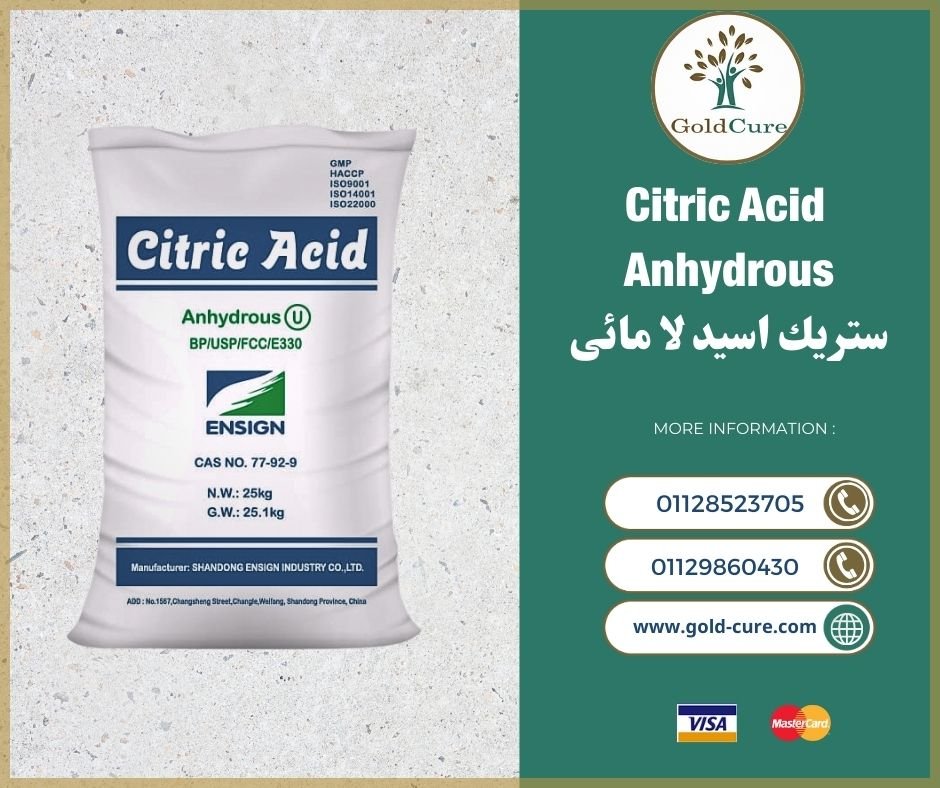
Citric acid anhydrous
Citric acid anhydrous is a water-free form of citric acid that is commonly used as an acidulant, flavor enhancer, and preservative across various industries. Unlike citric acid monohydrate, it contains no water molecules, giving it different physical properties and making it ideal for dry-mix .product
Key properties
- Chemical formula:
C6H8O7C sub 6 H sub 8 O sub 7
C6H8O7
.
- Appearance: White crystalline powder or translucent crystals.
- Taste: Strongly acidic.
- Solubility: Very soluble in water, making it quick to dissolve.
- Stability: Chemically stable under ambient temperatures and has a longer shelf life than its monohydrate counterpart, especially in dry conditions.
- Melting point:
153∘C153 raised to the composed with power C153∘C(307∘F307 raised to the composed with power F307∘FCommon applicationsCitric acid anhydrous is a versatile ingredient with uses in multiple industries.Food and beverage
- Flavoring: Adds a tart, sour taste to candies, soft drinks, and powdered beverages.
- Preservative: Inhibits microbial growth, extending the shelf life of food and drinks.
- Acidity regulator: Controls the pH in processed fruits, jams, and desserts.
- Antioxidant: Prevents enzymatic browning and preserves freshness in canned or frozen fruits and vegetables.
Household and industrial- Cleaning agent: Effective at removing hard water stains, rust, and limescale from surfaces and appliances.
- Water softener: Chelates metal ions in hard water, improving the performance of soaps and detergents.
- Metal treatment: Used to remove rust from steel and for passivation of stainless steel.
Pharmaceutical and cosmetic- Excipient: Used as a stabilizer, pH adjuster, and preservative in medicines.
- Anticoagulant: Chelates calcium in the blood.
- Cosmetics: Functions as a pH adjuster and exfoliator in skincare and hair care products.
Production and safetyProduction: Anhydrous citric acid is primarily produced through the microbial fermentation of carbohydrate substrates such as corn or molasses, using fungi like Aspergillus niger. Crystallization from hot water yields the anhydrous form.Safety: The U.S. Food and Drug Administration (FDA) has classified food-grade citric acid as Generally Recognized as Safe (GRAS). However, it can cause severe eye and respiratory irritation in high concentrations and should be handled with appropriate personal protective equipment.

المراجعات
لا توجد مراجعات بعد.